



We wish all coursework students the best of luck as you head into your exams! We've got you covered with all the information you need for the exam period.

What to do if you're sick
If you're sick before your exam starts – don't risk it!
The University’s ‘fit to sit’ rule means that if you enter the exam room, you are considered well enough to take your exam.
If you feel unwell before the exam, it’s usually best to get documentation and apply for special consideration before the exam starts and to not sit the exam. Read our advice about special consideration.
It’s important get a signed Professional Practitioner’s Certificate (PPC) from an AHPRA-registered medical practitioner (such as a GP or psychologist) straight away. Make sure the PPC covers the date of the exam. Then, apply for special consideration.
If you need help with your special consideration application, contact our free, professional casework service.
You will get a replacement exam
If your special consideration application is approved, a replacement exam will be scheduled for you. Make sure you monitor your University email over the semester break so you don’t miss out on information about your replacement exam. You may need to alter travel plans so that you can be in Sydney for the exam.
If you need help, contact our casework service.
If you become unwell during your exam
If you start to feel sick unexpectedly after the exam begins, you should let an exam invigilator know. You should get a Professional Practitioner Certificate from a doctor immediately after your exam. You can still apply for special consideration, but you will need to state that you did not know that you were sick before the exam began.
Special consideration applications must be submitted within 3 working days of your exam. If you need help, contact our casework service.
Too unwell to sit a replacement exam?
If you’re still unwell when it is time for your replacement exam, you will need to apply for special consideration again with a new Professional Practitioner Certificate dated for the date of the replacement exam. Make sure your medical documents state the last day of your ‘affected period’ as the date your doctor expects you will be well enough to return to studying.
Bring the right ID
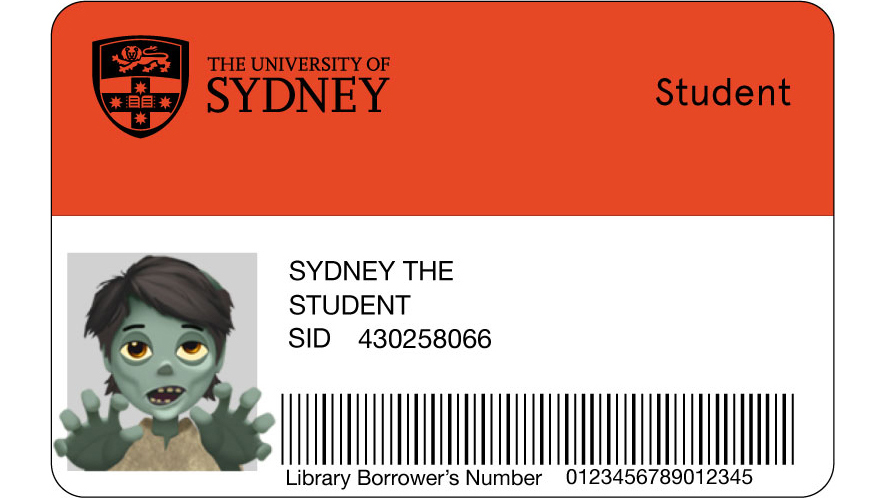
The University checks photo IDs for all in-person exams and won’t accept digital Usyd student cards – only physical student cards are accepted.
All physical passports are accepted, as well as all forms of Australian driver licences and proof of age cards (digital and physical). No photocopies or screenshots are accepted.

What not to bring into your exam
The University has strict rules about what can be taken into an exam room.
Carefully check your exam instructions, and only bring authorised items into your exam. If the exam instructions are unclear to you, or you can’t find them, ask your unit coordinator.
Take care with permitted materials. Permitted devices need to be the right type and brand and will be carefully checked for hidden notes. If you’re allowed to bring notes into the exam, follow the instructions carefully – if your notes are in the wrong text size or have too many pages, it may be considered a breach of the Academic Integrity Policy.
Carefully check your pockets before the exam starts! If you realise that you have accidentally brought prohibited items into the exam room after the exam has begun, raise your hand and let the exam invigilator know. It’s much better to notify the invigilator yourself than to be caught out!

Don’t take wearable devices into your exam
Consider leaving smart watches, smart glasses, smart rings, wearable fitness monitors, headphones, and other wearable devices at home. Unless they’re approved for use in exams in an academic plan issued by Inclusion and Disability Services, these devices may be prohibited.
While the University recommends placing smart devices under your desk, many students forget to take them off, especially when they’re running late.
If you’re found wearing these items during an exam (even unintentionally), you may be in breach of the University's Academic Integrity policy and items may be confiscated.

Don't cheat – it's not worth it!
Every year, students are caught cheating in exams. The University is on high alert for all forms of exam cheating, including bringing in unapproved or concealed devices (like smart glasses and cheating jackets). There are very heavy penalties for cheating in exams, including suspension or even expulsion from the University.
If you’ve been unable to study due to circumstances beyond your control, you may be eligible for special consideration. It’s much better to ask for help than to risk your enrolment by cheating.

What to do if your property is confiscated
Exam invigilators may confiscate items that are unauthorised, including all watches and electronic devices such as phones and wearable devices.
If your belongings are confiscated, the invigilator should give you clear instructions about how and when to retrieve your items.
If you need assistance retrieving confiscated property, please contact SUPRA for help.

Exam adjustments for students with a registered disability
If you're registered with Inclusion and Disability Services and have adjustments for exams included in your academic plan (like extended exam time or extra toilet breaks), make sure you notify the exam invigilator about your adjustments before the start of the exam.

If you're affected by serious events
If you or your family are impacted by genocide, war or natural disaster, you’re eligible for support from the University, including special consideration for your exams. Before you apply for special consideration, we encourage you to contact our casework service for free, confidential advice and support.
You can also access counselling and other support services through Student Wellbeing.

What to do if you receive a blue slip
If an invigilator believes you may have broken exam rules, you may receive a ‘blue slip’ – a piece of paper documenting what occurred.
If this happens, it's best to try to stay calm and focus on the remainder of your exam. You will have the opportunity to tell your side of the story at a later date.
If you receive a blue slip, contact our casework service for advice and support.

Check out the Exam Ready program
There’s lots of support available during STUVAC and exams! You can find free meals across campus, including breakfast club at Fisher and Law, afternoon snacks at Sci-Tech, and community dinners from the USU food truck.
Plus, there are study snacks available across main campus and satellite campuses – find study snacks near you!
The Library is also running quiet Pomodoro study sessions and craft-ernoons.

Stay in touch with us